
What Makes the Road to Hana so Famous? 20 Questions About the Road to Hana
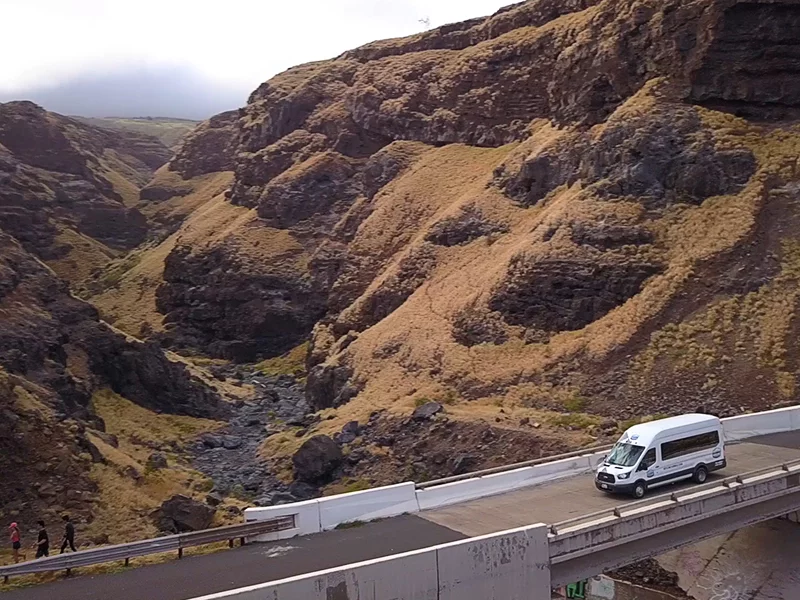
The Hana Highway is more than just a sequence of hairpin turns and cascading waterfalls; it is a pilgrimage into the ancient, untamed soul of Maui. While you can find the practical survival logistics, maps, and mile markers in our guide to the Ultimate Road to Hana Itinerary, the winding asphalt of the eastern coast holds far deeper mysteries. From the grueling history of its 1920s construction to the profound cultural weight of its black sand shores, we’ve answered the most common questions about the lore, dangers, and enduring legacy of the Road to Hana.
Q: What can you do in Hana?
There are lots of things to do in Hana on Maui. Some of the most popular things to do in Hana include visiting the Hana Cultural Center & Museum, Snorkeling at Hana Bay, browsing the art galleries and shopping at the local farmers markets.
Q: Where is Hana?
Hana is located on the eastern side of Maui, Hawaii and has a population of 1,235 people. Hana is one of the most isolated communities in Hawaii, which is part of the reason why the trip to Hana is so iconic.
Q: How many turns are on the Road to Hana?
The Road to Hana has over 600 corners.
Q: How long of a drive is the Road to Hana?
From Kahului to Hana is 52 miles one way. The total drive all the way around the south side of the island and back to Kahului is approximately 114 miles from. It takes about 12 hours including stops.
Q: What is there to see on the Road to Hana?
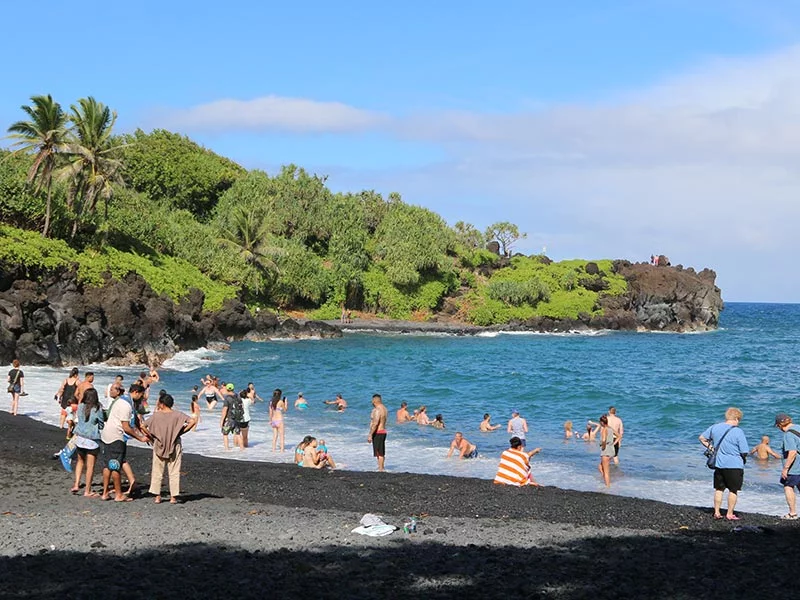 There are lots of beautiful waterfalls, beaches, parks, and hiking trails to stop at along the Road to Hana. You can find most of the best stops by paying attention to the mile markers along the road.
Q: Can you take rental cars on the Road to Hana?
Most of Maui’s rental car companies will allow you to drive the Road to Hana. Be sure to check your rental agreements to confirm this.
Q: When was the Road to Hana built?
The 64.4 mile long Road to Hana was started in the 1800s but officially opened in 1926. It was completely paved by the 1980s.
Q: Who is buried in Hana?
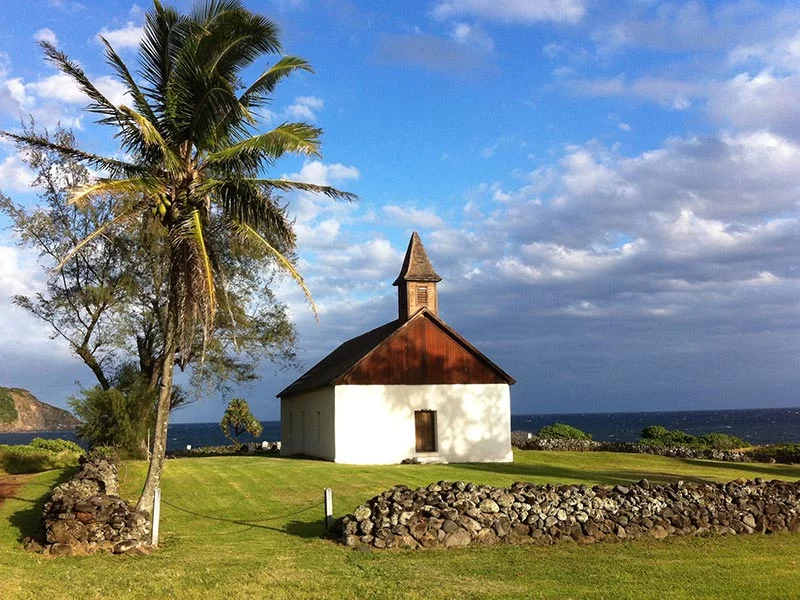 Charles Lindburg is one of the most famous people who is buried near Hana. Q: What island is the Road to Hana located on?
Q: Is the Road to Hana scary or dangerous?
The Road to Hana is a very heavily traveled road with a lot of sharp corners and one lane bridges. When you combine the high volume of traffic with the narrow road conditions and sharp corners, this route can feel very uncomfortable to drive on. This is why we highly recommend choosing a Road to Hana guided tour.
Q: How many bridges are on the Road to Hana?
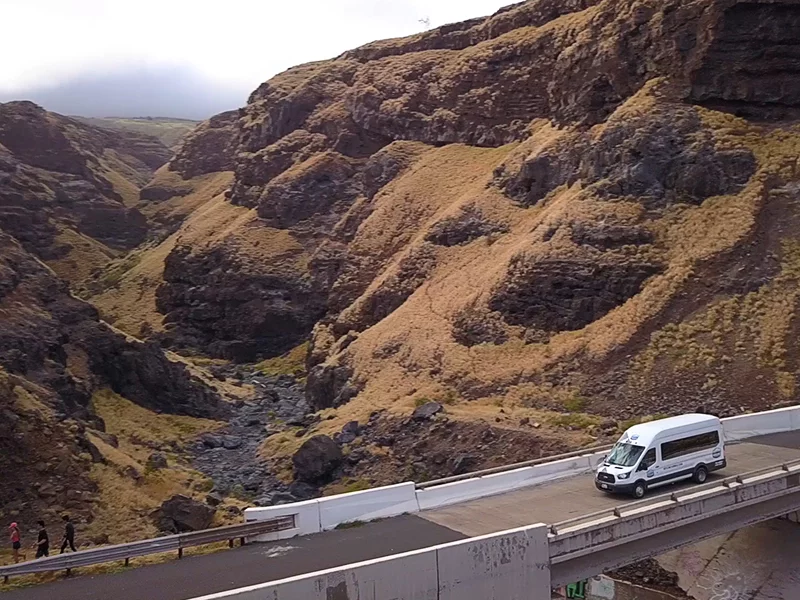 There are 59 bridges on the Road to Hana, most of which are only one lane wide.
Q: Where does the Road to Hana start and end?
The Road to Hana starts in Kipahulu and ends in Kaupo on Maui.
Q: Is the Road to Hana paved?
It is all paved but on the back side of Haleakala the pavement is very bumpy and seems to be nonexistent in some spots due to earthquakes that happened in the past in this area.
Q: What should I pack for a Road to Hana tour?
We recommend that you bring a backpack or bag that contains a towel, swimming suit, sunscreen, a change of clothes, a snack, and a bottle of water.
Q: How many waterfalls are along the Road to Hana?
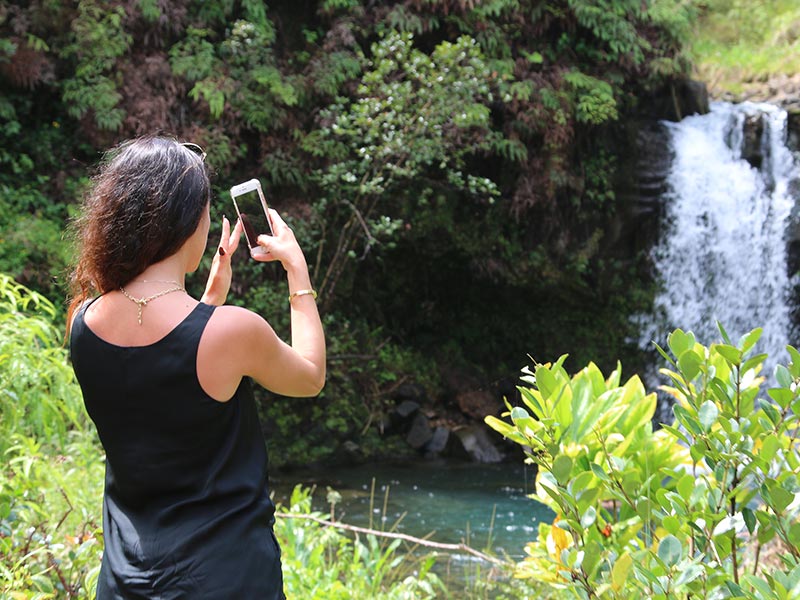 There are over 15 waterfalls located along the Road to Hana. Some of these waterfalls are visible from the road or you even drive over them on a bridge. Others require a little bit of hiking to get to.
Q: What is Hana Fresh?
Hana Fresh is an organic farm located in Hana. This is a popular stop for lunch along the Hana Highway.
Q: Are all of the waterfalls the same?
No. The waterfalls on Maui come in all different shapes and sizes. They form based on the natural structures around them or sometimes influence the structures around them by becoming wider over time. Most waterfalls are larger during the more rainy times of the year on the island.
Q: Should I go on the Road to Hana if I get car sick easily?
The Road to Hana is a very windy route but typically includes slower speeds and plenty of stops which can help mitigate any motion sickness you may normally experience on winding roads.