Five Things You Didn’t Know about Haleakalā
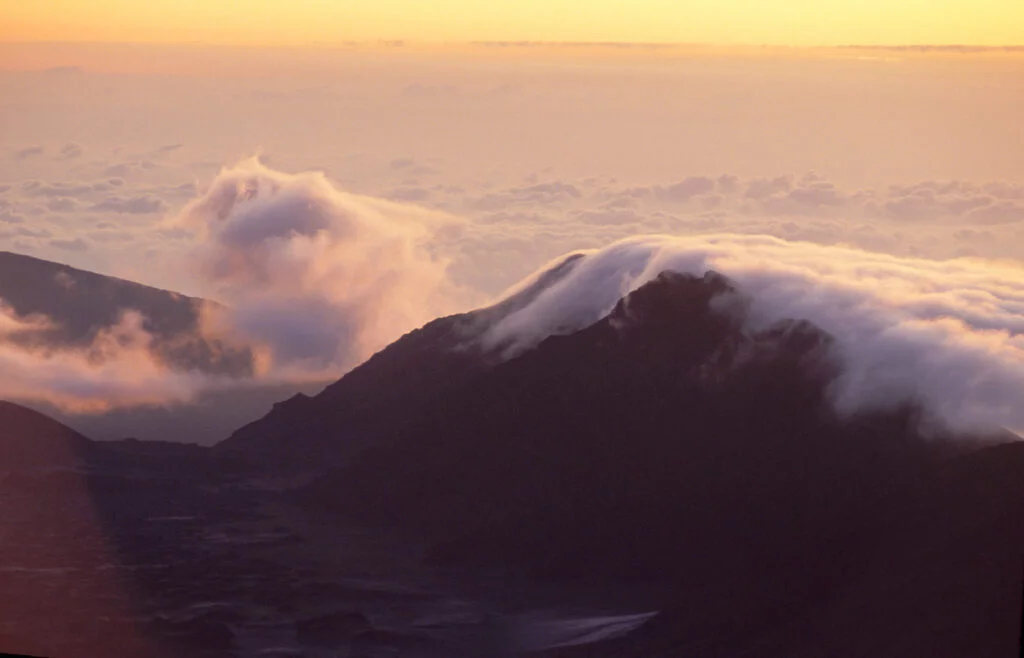
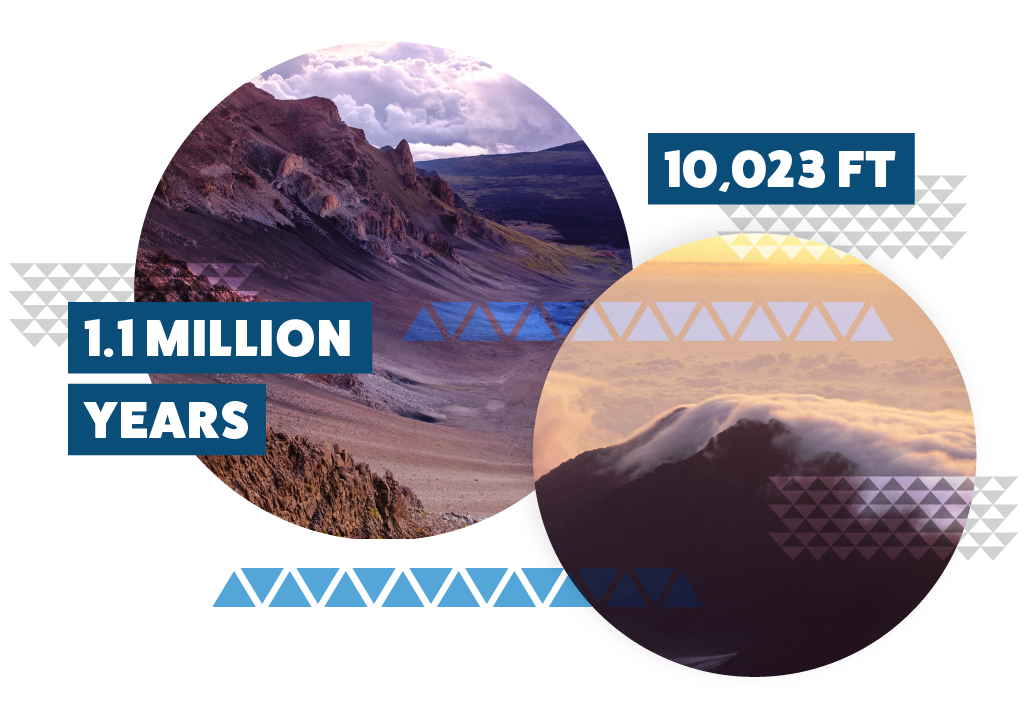
1. Haleakalā Emerged from the Pacific More Than a Million Years Ago
Haleakalā broke through the ocean’s surface over 1.1 million years ago, but the volcano grew 18,000 feet from the bottom of the Pacific ocean before appeared above the surface as an island.
2. The Summit Once Stood Even Higher — and the Ocean Goes Even Deeper
Haleakalā once stood 15,000 feet above sea level, but today it stands at 10,023 feet. The volcano has gotten shorter over time because of erosion and also because the enormous weight of the volcano is causing it to slowly sink into the Earth’s crust.
3. It’s a Shield Volcano, Built Layer by Layer from Basaltic Lava
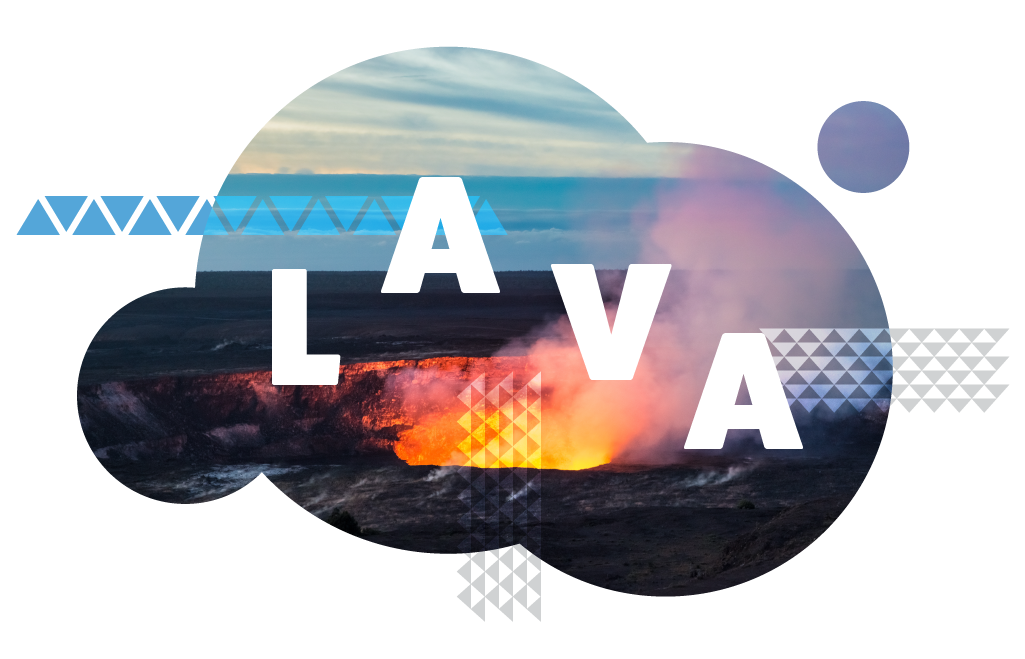
Haleakalā is a shield volcano, so if it erupts the lava will slowly flow out of rift zones rather than exploding up into the air.
4. The Same Hotspot That Created Haleakalā Made Every Hawaiian Island
The hot spot that formed Haleakalā is the same hot spot that formed all of the Hawaiian islands. How is this possible? This hot spot is a stationary release valve located under the Pacific Tectonic Plate. So, as the Tectonic Plate moves, the hot spot stays in place and forms a new volcanic island in the chain.
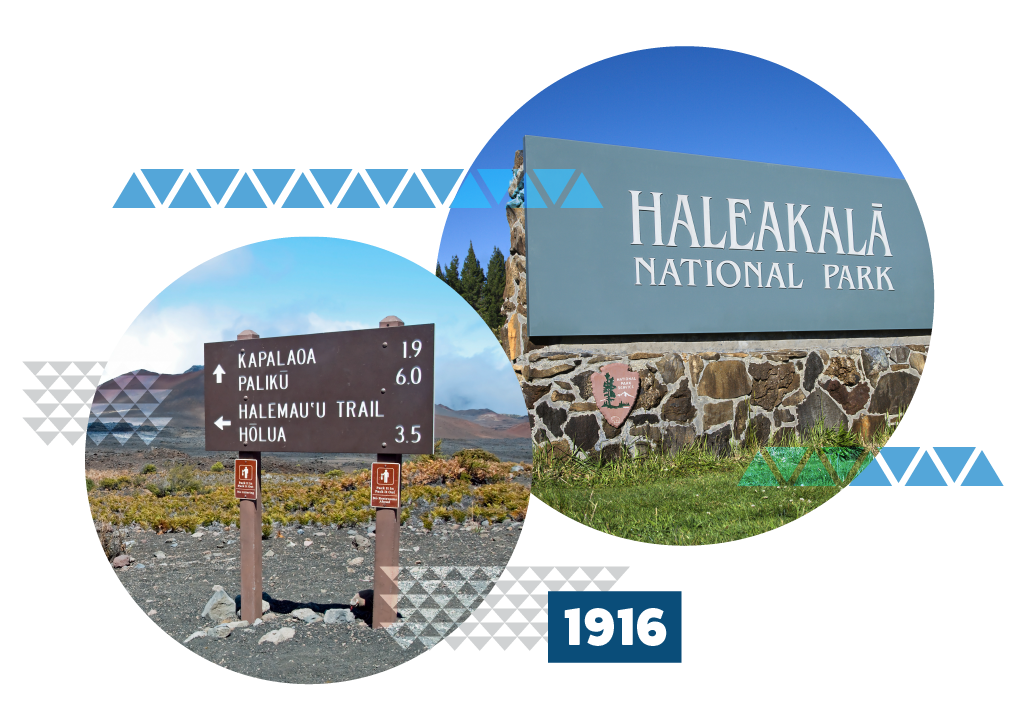
5. Haleakalā National Park Has Its Own Origin Story
When Hawaii National Park was created in 1916, it included both Haleakalā National Park on Maui and Hawaii Volcanoes National Park on Big Island. The parks were considered one single National Park until 1961 when they separated.