Maui’s Microclimates
Maui packs desert, rainforest, and alpine climates into 727 square miles. Here’s how the island’s microclimates break down by region — and what to expect when you visit.
| Region | Climate type | Conditions | Landmarks & Towns |
|---|---|---|---|
| Leeward (south/west) | Desert / dry | Sunny, hot, little rain | Lahaina, Kihei, Wailea, Kaupo |
| Windward (north/east) | Rainforest / wet | Green, humid, frequent rain | Haiku, Hana, Kipahulu |
| Upcountry / mountain | Highland | Cooler, variable | Kula, Makawao, Ulupalakua |
| Summit (Haleakala) | Alpine / subalpine | Cold, windy, can freeze | Haleakala National Park |
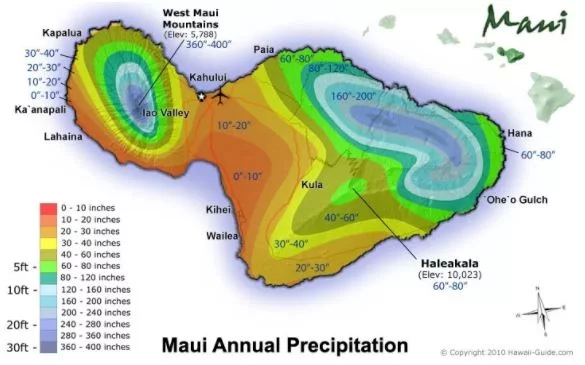
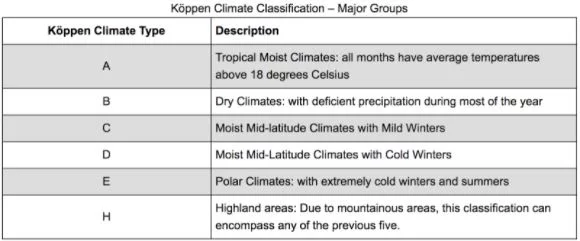
A microclimate is the climate of a very small or restricted area, especially when this differs from the climate of the surrounding area. Maui is home to multiple microclimates based on the Koppen Climate Classification system. This fact is an astounding achievement for such a small land mass.
Lahaina, Kihei, Wailea, Haleakala, and Kaupo have desert microclimates. Haiku, Hana, Kipahulu, West Maui Mountains, and Makawao are where you will find rainforest microclimates. Finally, mountainous microclimates include Haleakala, Kula, and Ulupalukua. From desert, to rainforest, to mountainous areas, Maui will keep you entertained with its unique landscapes.
The Hawaiian Islands usually experience cooler temperatures and higher amounts of rainfall during the winter months which are from October to April. They also enjoy consistently dry summers and strong trade winds from May through September.
About the Author: Experience the natural wonder of the Hawaiian Islands, via a zipline tour with Skyline Eco-Adventures. Enjoy the Maui and Kauai landscapes through an unforgettable tour. Book your adventure at www.skylinehawaii.com, today!